Talk:Salter Science
Add topicLatest comment: 11 years ago by Oz1sej in topic Salter Science
 | This article has not yet been rated on Wikipedia's content assessment scale. It is of interest to the following WikiProjects: | ||||||||||
| |||||||||||


Thanks for writing about this sort of topic! According to the chemistry set article, there were two different(?) companies with similar names ("Thomas Salter Science" and "Salters Science"). Do you know the relationship or timeline of them (was it one company that changed its name, or two chosen similar in order to compete, or...)? DMacks (talk) 07:22, 25 August 2014 (UTC)
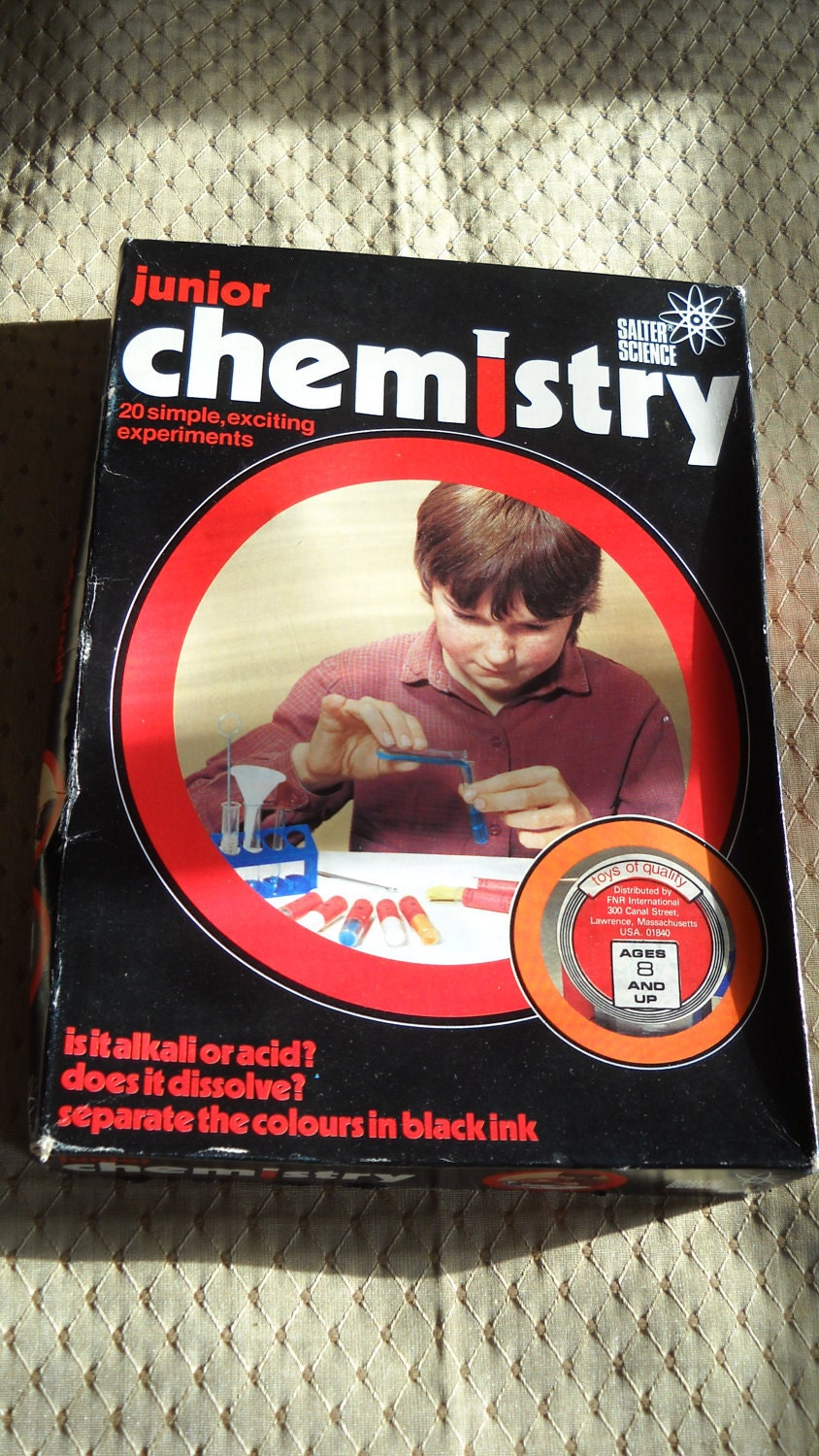
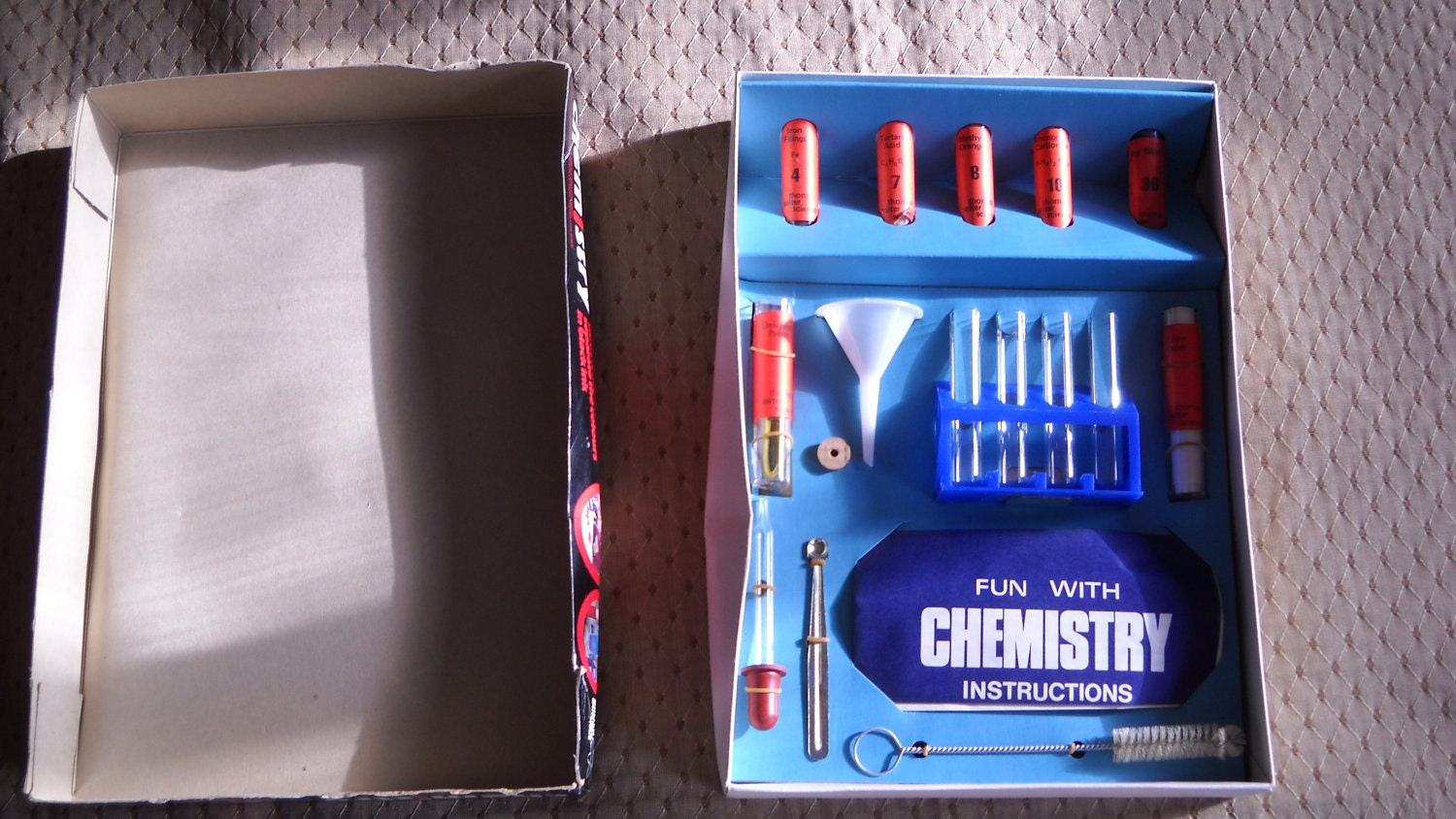
- Thank you! I had two chemistry sets from Salter Science, so I thought they deserved a page of their own on Wikipedia. Thousands of kids must have had these. I'm not sure if it's okay to link to external images on a talk page, but I'll take the chance; my first chemistry set looked like this: on the outside, and like this: on the inside; it was bought in Hamley's in London. Notice that the set is marked "Salter Science", but the chemicals are labeled "thomas salter science". I therefore assumed the company just changed their name. If you google, sets marked "thomas salter science" or "thomas salter toys" are generally electricity or magnetism kits. My second kit was much larger, called "Chemistry 4", bought in 1984, still marked "Salter Science" on the box and the manual, but the chemicals were still marked "thomas salter science". Oz1sej (talk) 10:50, 25 August 2014 (UTC)