Lands inhabited by Indigenous peoples
| Part of a series on |
| Indigenous rights |
|---|
 |
| Rights |
| Governmental organizations |
| United Nations initiatives |
| International Treaties |
| NGOs and political groups |
| Issues |
| Countries |
| Category |
The lands inhabited by indigenous peoples receive different treatments around the world. Many countries have specific legislation, definitions, nomenclature, objectives, etc., for such lands. To protect indigenous land rights, special rules are sometimes created to protect the areas they live in. In other cases, governments establish "reserves" with the intention of segregation. Some indigenous peoples live in places where their right to land is not recognised, or not effectively protected.
By country
[edit]In Australia
[edit]- Indigenous Protected Areas
- Torres Strait Regional Authority (de facto autonomous region)
- Northern Peninsula Area Region
- Indigenous Local government areas (LGA) of Queensland
- Wujal Wujal Aboriginal Shire
- Aboriginal Shire of Cherbourg
- Aboriginal Shire of Woorabinda
- Aboriginal Shire of Palm Island
- Aboriginal Shire of Hope Vale
- Aboriginal Shire of Kowanyama
- Aboriginal Shire of Lockhart River
- Aboriginal Shire of Mapoon
- Aboriginal Shire of Napranum
- Aboriginal Shire of Pormpuraaw
- Aboriginal Shire of Yarrabah
- Aboriginal Shire of Doomadgee
- Aboriginal land councils in the Northern Territory
In Bangladesh
[edit]In Belize
[edit]- Aguacate Indian Reservation, Toledo
- Black Creek Indian Reservation, Toledo
- Blue Creek Indian Reservation, Toledo
- Crique Sarco Indian Reservation, Toledo
- Graham Creek Indian Reservation, Toledo
- Hinchasones Indian Reservation, Toledo
- Machaca Indian Reservation, Toledo
- Xpicilha Indian Reservation, Toledo
In Bolivia
[edit]es:Autonomía indígena originario campesina
| TCO | Location | Size (hectares) |
Date Established | Established by | Indigenous Peoples | Previous Status |
|---|---|---|---|---|---|---|
| Sirionó Indigenous Territory | 52,408.71 ha[1] | 24 September 1990[2] | Supreme Decree 22609 | Sirionó | ||
| Isiboro Sécure National Park and Indigenous Territory | Cochabamba/Beni Department border | 1,372,180 ha | 24 September 1990[2] | Supreme Decree 22610 | Trinitario Mojeño, Yuracaré, Chimán | National Park (since 1965) |
| Multiethnic Indigenous Territory I | Beni | 365,483.26 ha[1] | 24 September 1990[2] | Supreme Decree 22611 | Trinitario Mojeño, Ignaciano Mojeño, Movima, Yuracaré, Chimán | |
| Chimán Indigenous Territory I | Beni | 337,360.44 ha[1] | 24 September 1990[2] | |||
| Pilón Lajas Biosphere Reserve and Communal Lands | Yungas region, northern La Paz Department and Beni | 400,000 ha | 9 April 1992[2] | Supreme Decree 23110 | Mosetén, Tsimané, Tacana | Biosphere Reserve (since 1977) |
| Chayantaka Native Community Lands | north Potosí | 36,366.79 | July 2005[3] | INRA titling completed | Chayantaka ayllu | |
| Lomerío Chiquitano Indigenous Territory | 259,188 | 9 April 1992 June 2006 |
Supreme Decree 23112 INRA Titling Complete |
Chiquitano | ||
| Monte Verde Chiquitano Indigenous Territory | Ñuflo de Chávez Province, Santa Cruz | 947,440.8 | 3 July 2007 | Titling completed and awarded | Chiquitano | |
| Araona Indigenous Territory | 9 April 1992[2] | Supreme Decree 23108 | ||||
| Yuki Indigenous Territory | Cochabamba | 9 April 1992[2] | Supreme Decree 23111 | Yuki, Yuracaré | ||
| Yuracaré Native Community Lands | Cochabamba | Yuracaré | ||||
| Avatiri Ingre Native Community Lands | Chuquisaca | Guaraní | ||||
| Avatiri Huacareta Native Community Lands | Chuquisaca | Guaraní | ||||
| Avatiri Ingre Native Community Lands | Chuquisaca | Guaraní | ||||
| Machareti-Ñancaroinza-Carandayti Native Community Lands | Chuquisaca | Guaraní | ||||
| Itikaraparirenda Native Community Lands | Chuquisaca | Guaraní | ||||
| Alto Parapetí Native Community Lands | Santa Cruz | Guaraní | Ranches with Guaraní in conditions of servitude[4] | |||
| Nor Lípez Native Community Lands | Nor Lípez Province, Potosí | 2,000,291 | 19 April 2011 | INRA titling completed | Central Única Provincial de Comunidades Originarias de Nor Lípez[5] | |
| Jatun Ayllu-Juchuy Ayllu-Chaupi Ayllu Native Community Lands | Sur Lípez Province, Potosí | 1,557,532 | 19 April 2011 | INRA titling completed | Jatun Ayllu, Juchuy Ayllu, Chaupi Ayllu indigenous communities[5] | |
| Enrique Baldivieso Native Community Lands | Enrique Baldivieso Province, Potosí | 227,003 | 19 April 2011 | INRA titling completed | Central Única de la Provincia de Comunidades Originarias Enrique Baldivieso[5] | |
In Botswana
[edit]- New Xade, a village established as an indigenous reservation for Khoe-speaking San (Bushmen) ethnic groups and other first peoples relocated from their traditional lands on the Central Kalahari Game Reserve (CKGR).The primary ethnic groups residing in the settlement are the G/ui (Dcuikhoe), G//ana (Dxanakhoe), and Bakgalagadi.
- Kaudwane, another village established as an indigenous reservation for indigenous San ethnic groups relocated from the Central Kalahari Game Reserve.
- A smaller number of indigenous San peoples were also relocated to the villages of Bere, Chobokwane and New Xanagas
In Brazil
[edit]- Terras Indígenas, in the wide sense
- Terras indígenas, in the strict sense
- Terras reservadas (reserva indígena, parque indígena, colônia agrícola indígena e território federal indígena)
- Terras dominiais
In Canada
[edit]Source:[6]
- Inuit Nunangat[7]
- Nunavut, a federal territory open to non-natives but Inuit-majority
- Inuvialuit Settlement Region, established by the federal government and lying within Yukon and the Northwest Territories, co-managed with the Inuvialuit
- Nunavik (Kativik Regional Government), Quebec
- Nunatsiavut, Newfoundland and Labrador
- Unique to each province:
- Indian reserves, or First Nations reserves (Canada-wide)
- Aboriginal villages and territories of Quebec
- Regional councils and community governments of the Northwest Territories
- First Nations reserves, tribal councils, First Nations governments and Indian government districts in British Columbia
- First Nation reserves and tribal self-government/land claim agreements of the Yukon
- Carcross/Tagish First Nation
- Champagne and Aishihik First Nations
- First Nation of Na-Cho Nyak Dun
- Kluane First Nation
- Kwanlin Dün First Nation
- Little Salmon/Carmacks First Nation
- Selkirk First Nation
- Ta'an Kwach'an Council
- Teslin Tlingit Council
- Trʼondëk Hwëchʼin First Nation
- Vuntut Gwitchin First Nation
- Manitoba has 63 Indian reserves, 14 urban reserves and 7 tribal councils
- Alberta
- 48 First Nations reserves
- 6 Indian settlements
- 8 Métis Settlements
- 10 tribal councils
- Athabasca Tribal Council
- Blackfoot Confederacy
- Confederacy of Treaty 6 First Nations
- Kee Tas Kee Now Tribal Council
- Lesser Slave Lake Indian Regional Council
- North Peace Tribal Council
- Stoney Nakoda - Tsuut'ina Tribal Council
- Tribal Chiefs Ventures
- Western Cree Tribal Council
- Yellowhead Tribal Council
In Central African Republic
[edit]- Dzanga-Sangha Special Reserve, a forest reserve established to protect wildlife and the indigenous Baka Pygmies communities of Bayanga, Moussapoula, Kunda, Papaye and Yobe.
In China
[edit]In Colombia
[edit]- Indigenous reserves in Colombia
- Territorios indígenas
- Resguardo indígena
In Costa Rica
[edit]In Denmark
[edit]- Kalaallit Nunaat, an autonomous territory
In Dominica
[edit]In Finland and Scandinavia
[edit]In French Guiana
[edit]There are traditional use areas.[11]
In Guyana
[edit]- Epira Amerindian District (East Berbice-Corentyne Area)
- Epira Amerindian Reservation (East Berbice-Corentyne Area)
- Kanuku Amerindian District (Upper Takutu-Upper Essequibo Area)
- Karasabai Amerindian District (Upper Takutu-Upper Essequibo Area)
- Orealla Amerindian District (East Berbice-Corentyne Area)
- Orealla Amerindian Reservation (East Berbice-Corentyne Area)
- Pomeroon-Ituribisi Amerindian District (Pomeroon-Supenaam Area)
- Pomeroon-Ituribisi Indian Reservation (Pomeroon-Supenaam Area)
- Pomeroon-Ituribisi Reservation (Pomeroon-Supenaam Area)
- Saint Francis Amerindian District (Guyana Area)
- Santa Amerindian District (Essequibo Islands-West Demerara Area)
- Wikki Amerindian District (Upper Demerara-Berbice Area)
- Wikki Amerindian Reservation (Upper Demerara-Berbice Area)
- Wikki Indian Reservation (Upper Demerara-Berbice Area)[12]
In Hong Kong
[edit]- Indigenous villages of the New Territories, there are 586 villages recognized as indigenous by the Small House Policy which are represented by 27 rural committees. The largest indigenous group is the Hakka followed by Tanka, Hoklo and Weitou peoples.
- Cheung Chau Rural Committee
- Fanling District Rural Committee
- Ha Tsuen Rural Committee
- Hang Hau Rural Committee
- Lamma Island (North) Rural Committee
- Lamma Island (South) Rural Committee
- Kam Tin Rural Committee
- Ma Wan Rural Committee
- Mui Wo Rural Committee
- Pat Heung Rural Committee
- Peng Chau Rural Committee
- Ping Shan Rural Committee
- Sai Kung North Rural Committee
- Sai Kung Rural Committee
- San Tin Rural Committee
- Sha Tau Kok District Rural Committee
- Sha Tin Rural Committee
- Shap Pat Heung Rural Committee
- Sheung Shui District Rural Committee
- South Lantao Rural Committee
- Ta Kwu Ling District Rural Committee
- Tai O Rural Committee
- Tai Po Rural Committee
- Tsing Yi Rural Committee
- Tuen Mun Rural Committee
- Tung Chung Rural Committee
- Tsuen Wan Rural Committee
- Frontier Closed Area, a restricted border zone in Hong Kong on the border with Mainland China populated by a number of indigenous Hakka villages.Since non-residents require a special Closed Area Permit to enter the FCA, the area effectively functions as a protected indigenous reservation for the Hakka and Tanka inhabitants.
In India
[edit]- Adivasi and India tribal belt
- 29 Autonomous district councils
- Bodoland Territorial Council
- North Cachar Hills Autonomous Council
- Karbi Anglong Autonomous Council
- Tiwa Autonomous Council
- Mising Autonomous Council
- Rabha Hasong Autonomous Council
- Sonowal Kachari Autonomous Council
- Thengal Kachari Autonomous Council
- Deori Autonomous Council
- Moran Autonomous Council
- Matak Autonomous Council
- Bodo Kachari Welfare Autonomous Council
- Kamatapur Autonomous Council
- Northeast India
- North Sentinel Island, a de facto self-governing island located in the Union Territory of Andaman and Nicobar Islands inhabited by the uncontacted Sentinelese people
- South India
In Japan
[edit]In the Middle East
[edit]- Armenia
- Assyrian homeland
- Balochistan
- Cappadocia
- Cyprus
- Israel
- Kurdistan
- Iranian Kurdistan
- Kurdistan Region (Iraq)
- Rojava (Syria)
- Turkish Kurdistan
- Nineveh (Iraq)
- Palestine
- Pontus (Turkey)
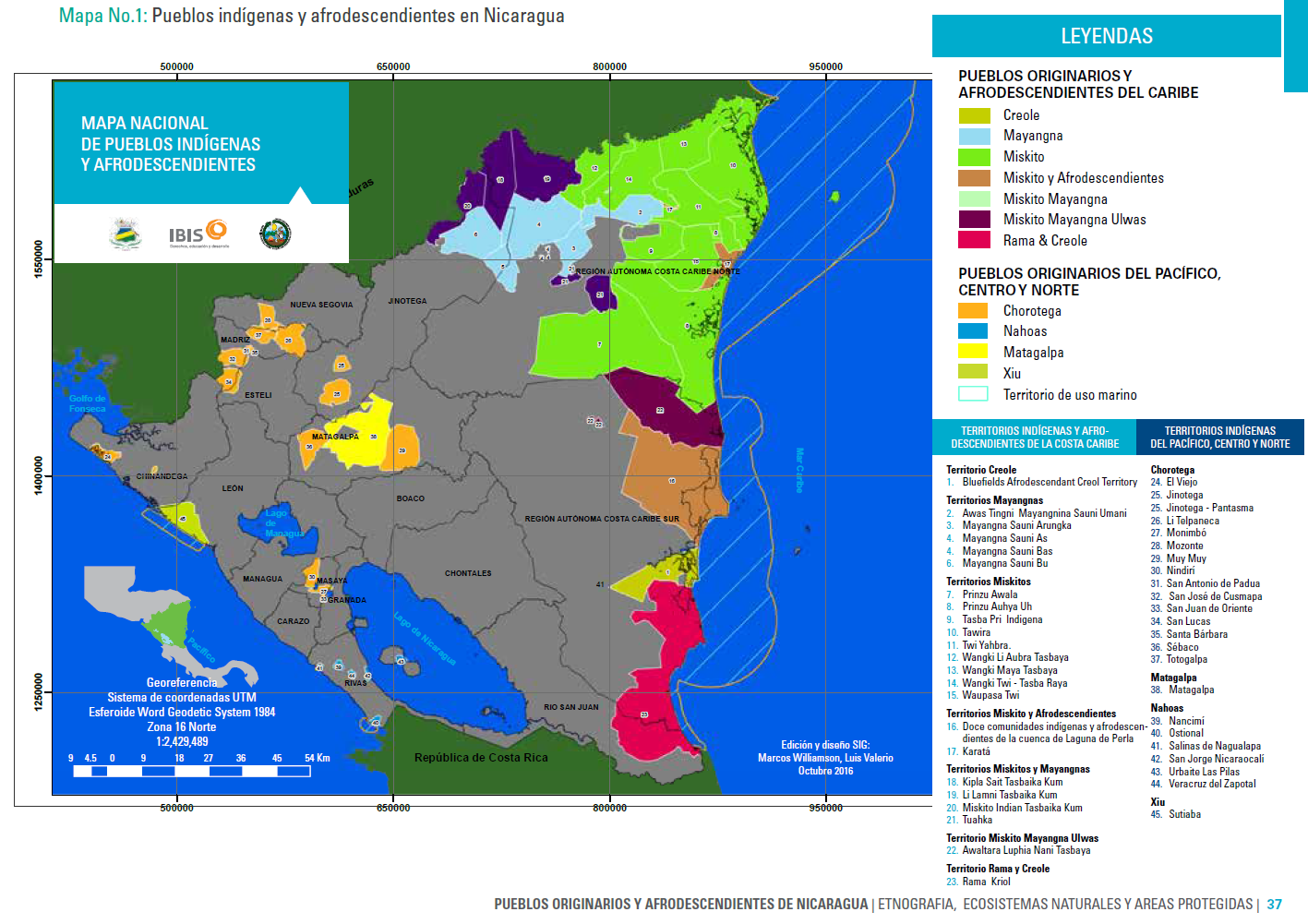
In Nicaragua
[edit]- Creol territory
- Maya territory
- Miskitos territory
- Miskitos and afrohonduras territory
- Miskitos and Maya territory[13]
In New Zealand
[edit]- Cook Islands (Rarotonga)
- Niue
- Tokelau
In North Africa
[edit]In Pakistan
[edit]In Panama
[edit]In Peru
[edit]Communal reserves are conservation areas for flora and fauna, allowing traditional use for the rural populations surrounding the areas. The use and marketing of the natural resources within the communal reserve is conducted by the same rural populations.[14]
| Reserve | Date | Area (ha) |
|---|---|---|
| Yanesha | 28 April 1988 | 34,744 |
| El Sira | 22 June 2001 | 616,413 |
| Amarakaeri | 9 May 2002 | 402,335 |
| Asháninka | 14 January 2003 | 184,468 |
| Machiguenga | 14 January 2003 | 218,905 |
| Purús | 20 November 2004 | 202,033 |
| Tuntanain | 10 August 2007 | 94,967 |
| Chayu Nain | 9 December 2009 | 23,597 |
In the Philippines
[edit]In Russia
[edit]In South Africa
[edit]In Sri Lanka
[edit]In Sudan
[edit]In Taiwan
[edit]In Ukraine
[edit]In the United States
[edit]In Venezuela
[edit]Most of the indigenous territories are located in the southern parts.[15][16]
Conservation of nature
[edit]Some lands inhabited for indigenous peoples can be considered as Indigenous and Community Conserved Area.
See also
[edit]References
[edit]- 1 2 3 Torrico, Ismael Guzmán; Eulogio Núñez (2008-01-01). Saneamiento de la tierra en seis regiones de Bolivia 1996-2007. CIPCA. p. 36. ISBN 978-99954-35-05-9.
- 1 2 3 4 5 6 7 Oyarzún, José Aylwin; Universidad de la Frontera. Programa de Derechos Indígenas; WALIR (Organization) (2004). Derechos humanos y pueblos indígenas: tendencias internacionales y contexto chileno. International Work Group for Indigenous Affairs. p. 182. ISBN 978-956-236-161-3.
- ↑ Torrico, José Antonio Rocha; Carla María Bazoalto Olmos; Luis Fernando Cuéllar Camargo (2008-01-01). Autonomías indígenas, construcción de nación y fortalecimiento del Estado: estudios de caso en las regiones Norte de Potosí, guaraní del Isoso y kallawaya. FUNDACION PIEB. p. 55. ISBN 978-99954-32-25-6.
- ↑ Inter-American Commission on Human Rights. Bolivia - Situation of the Guarani Indigenous People. Retrieved 2011-07-17. at paragraph 200.
- 1 2 3 Instituto Nacional de Reforma Agraria (2011-04-19). "INRA entregó títulos ejecutoriales a tres Tierras Comunitarias de Origen de Potosí". Archived from the original on 2012-03-28. Retrieved 2011-07-26.
- ↑ "Indigenous Peoples and Lands". 19 November 2020.
- ↑ "Content page - Web Experience Toolkit".
- ↑ "Boruca Indian Reservation Tour". Archived from the original on 2013-01-15. Retrieved 2012-08-01.
- ↑ Costa Rica Spanish School IECR - Guaymi Indian Reservation in Costa Rica | Costa Rica Spanish School IECR - Costa Rica Spanish School IECR Deprecated link archived 2012-07-29 at archive.today
- ↑ Horse Treks and Guayami Indian Reservation - Pavones - Top Rated Costa Rica Horseback Ridings
- ↑ https://www.researchgate.net/figure/French-Guianas-population-protected-and-traditional-areas-and-illegal-mining-by-author_fig1_356503357.
{{cite web}}: Missing or empty|title=(help) - ↑ Guyana Fishing and Outdoor Nature Destination Maps Directory | MyFishMaps.com
- ↑ "Pueblos indígenas y afrodescendientes en Nicaragua" [Indigenous and Afro-descendant peoples in Nicaragua] (in Spanish). Archived from the original on 2026-04-26.
- ↑ "El Sistema Nacional de Áreas Naturales Protegidas por el Estado - SINANPE". Peru - Ministerio del Ambiente -. Archived from the original on 3 April 2010. Retrieved 2 May 2013.
- ↑ Rodriguez, Wataniba, Luis Salas (2025-02-01). "Gold or Life: The Struggle of Venezuelan Indigenous Peoples Against Illegal Mining". Debates Indígenas. Retrieved 2025-12-12.
{{cite web}}: CS1 maint: multiple names: authors list (link) - ↑ Underworld, Amazon (2025-11-06). "Invasion, Violence and Plunder in Southern Venezuela: The Price of Global Defense and 'Clean Technology'". Amazon Underworld. Retrieved 2025-12-12.